


What We Did
Survival Water Filters: Learning with the Land
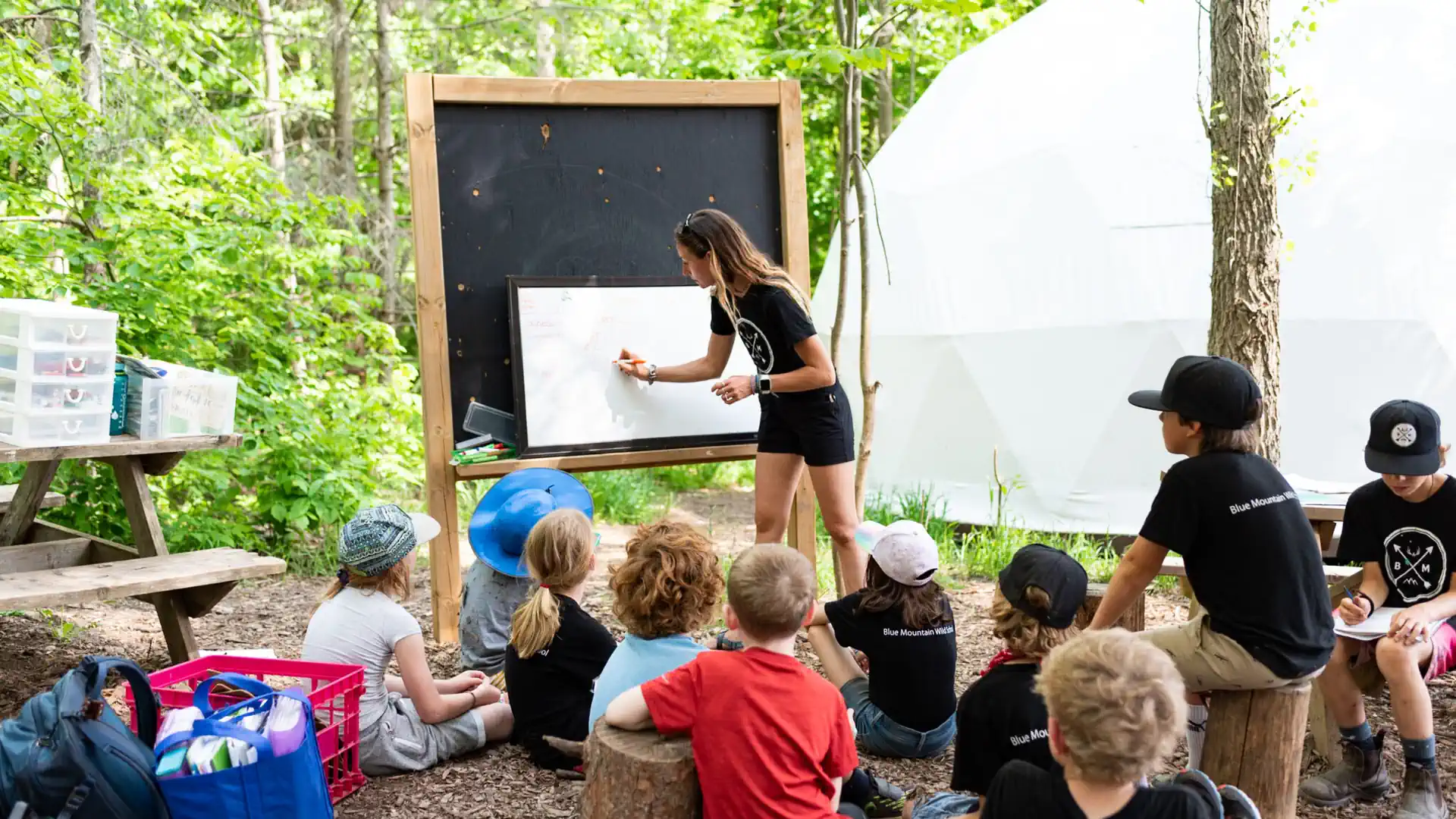
While exploring the water cycle, our Grade 1 and 2 students stepped into the role of young designers, scientists, and caretakers of the Earth. Together, we asked a real-world question rooted in both survival and stewardship: How can we work with nature to clean water?
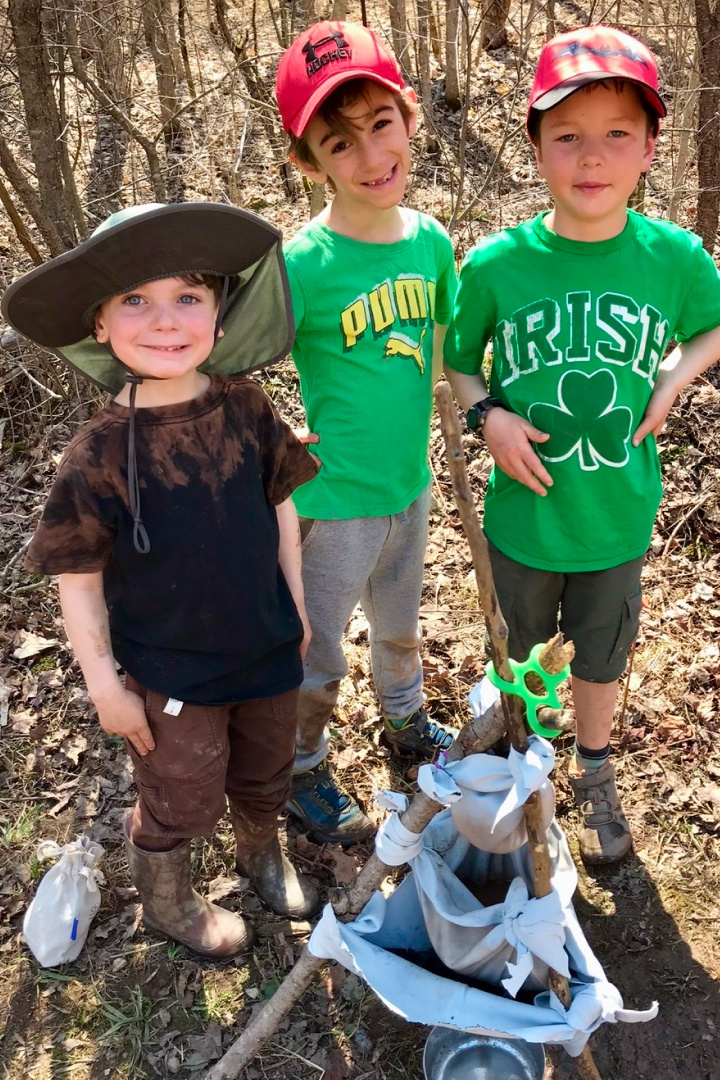
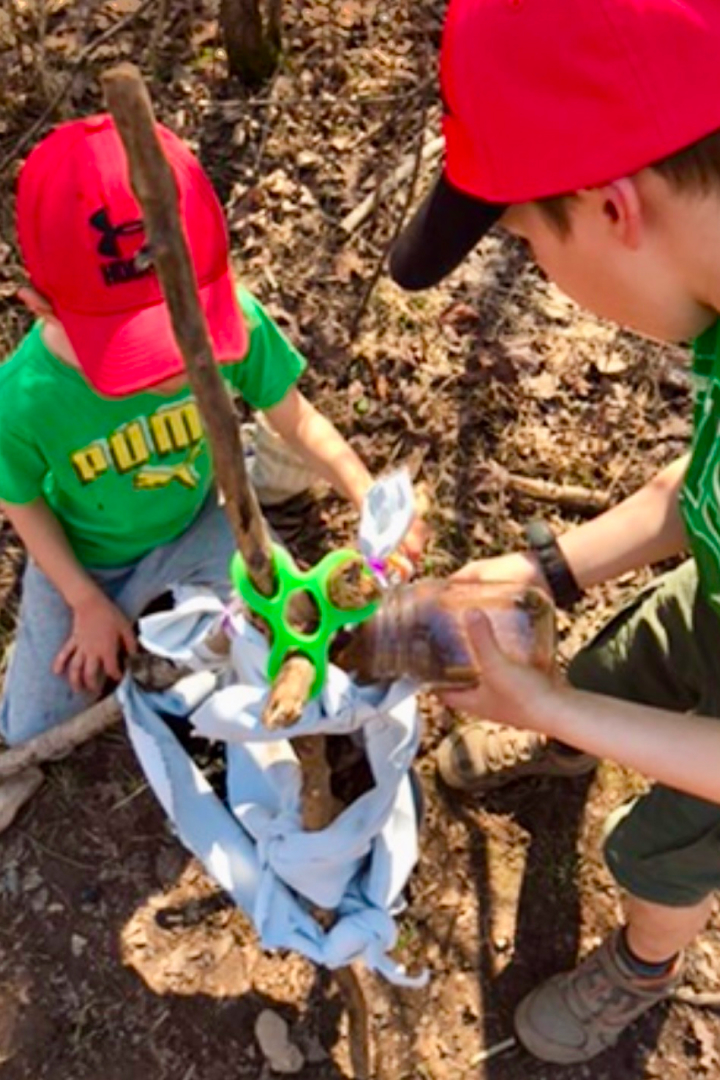
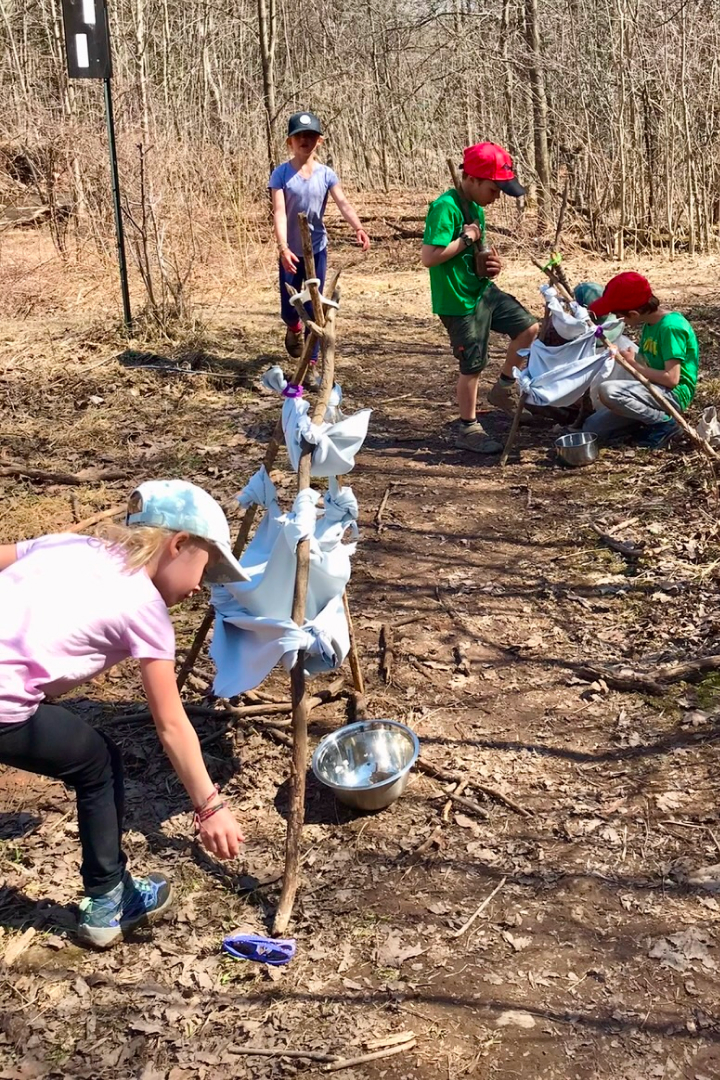
Using only natural materials and simple tools, students worked collaboratively to design and build survival-style water filters. Each group constructed a tripod structure and layered cloth to cradle natural filtering materials gathered with intention—charcoal from a shared campfire, sand, and grasses from the land. Students discussed the purpose of each layer, making thoughtful choices about how water might move through the system.
Muddy water was poured slowly through the filters again and again. With each pass, students observed changes, adjusted their designs, and reflected on what was happening inside the system. As the water grew clearer, so did their understanding of how natural materials can work together to support life.
This project wove together science, engineering, collaboration, and ecological literacy through direct, hands-on experience. Students practiced patience, problem-solving, and shared leadership while developing a deeper respect for clean water and the interconnected systems that sustain our world.
Learning unfolded not as a lesson to be completed, but as a living process—rooted in curiosity, relationship, and responsibility to the land.


Learning in Action
Learning Objectives
Students are invited to explore how water moves through natural systems and why clean water is essential for all living things. The goal of this lesson is for students to investigate how natural materials can work together to filter water, while practicing collaboration, problem-solving, and care for the environment. Through hands-on design and observation, students develop an early understanding of systems thinking, stewardship, and how human choices can support or harm the natural world.

Skills Developed
This Grade 1 and 2 project transformed the Ontario Curriculum into a hands-on, Permacognitive journey. By centering learning around the vital resource of water, we bridged the gap between classroom theory and real-world environmental stewardship.
At the heart of our approach is moving students from observation to action. We move beyond teaching kids about systems to empowering them to become leaders and stewards of the land they inhabit.
Student Voices
Teacher Expansion
Science and Technology (2022)
Primary Focus
Grade 1 & 2 – STEM Skills and Connections
Grade 2 – Earth and Space Systems: Air and Water in the Environment
Language (2023)
Integrated Through the Learning Process
Oral Communication
Writing / Representing
Mathematics (2020)
Embedded, Experiential Use
Social Studies (Grades 1–2)
People and Environments
Health & Physical Education (2019)
Social-Emotional Learning
Learning Skills & Work Habits (Growing Success)
Explicitly Observed
Wilde School / Permacognitive Threads (Integrated)
More Student Highlights
Survival Water Filters
How can nature clean water? Explore how Grade 1 & 2 students at WILDE built survival filters in this hands-on, inquiry-based project.
Published:
April 23, 2026

Wilde Barefoot Grounding Sandals
Grade 1–2 students connect to self, body, and land through a hands-on leather barefoot sandal-making project. Discover our grounding approach to learning.
Published:
April 23, 2026

More About this Grade

Enroll at WILDE
