AI Is Getting Smarter. Are Our Kids?


We might be raising the first generation in decades that’s, in measurable ways, less capable than their parents. It’s a hard thing to say out loud, and it’s still debated, but the more you look at the data, the harder it is to dismiss.
A 2018 Norwegian study analyzing over 700,000 IQ test results found a steady decline in scores among more recent cohorts. Similar patterns have shown up in countries like Denmark and the UK, and international assessments like PISA have also reported drops in reading, math, and problem-solving across many developed nations over the past decade. None of this is perfectly settled, and there isn’t a single explanation that neatly ties it all together. Still, when you step back and look at the conditions kids are growing up in now compared to even twenty years ago, it’s hard to argue that nothing has changed.
School itself has looked fairly similar for a long time. Desks, classrooms, structured lessons... that part hasn’t shifted very much.
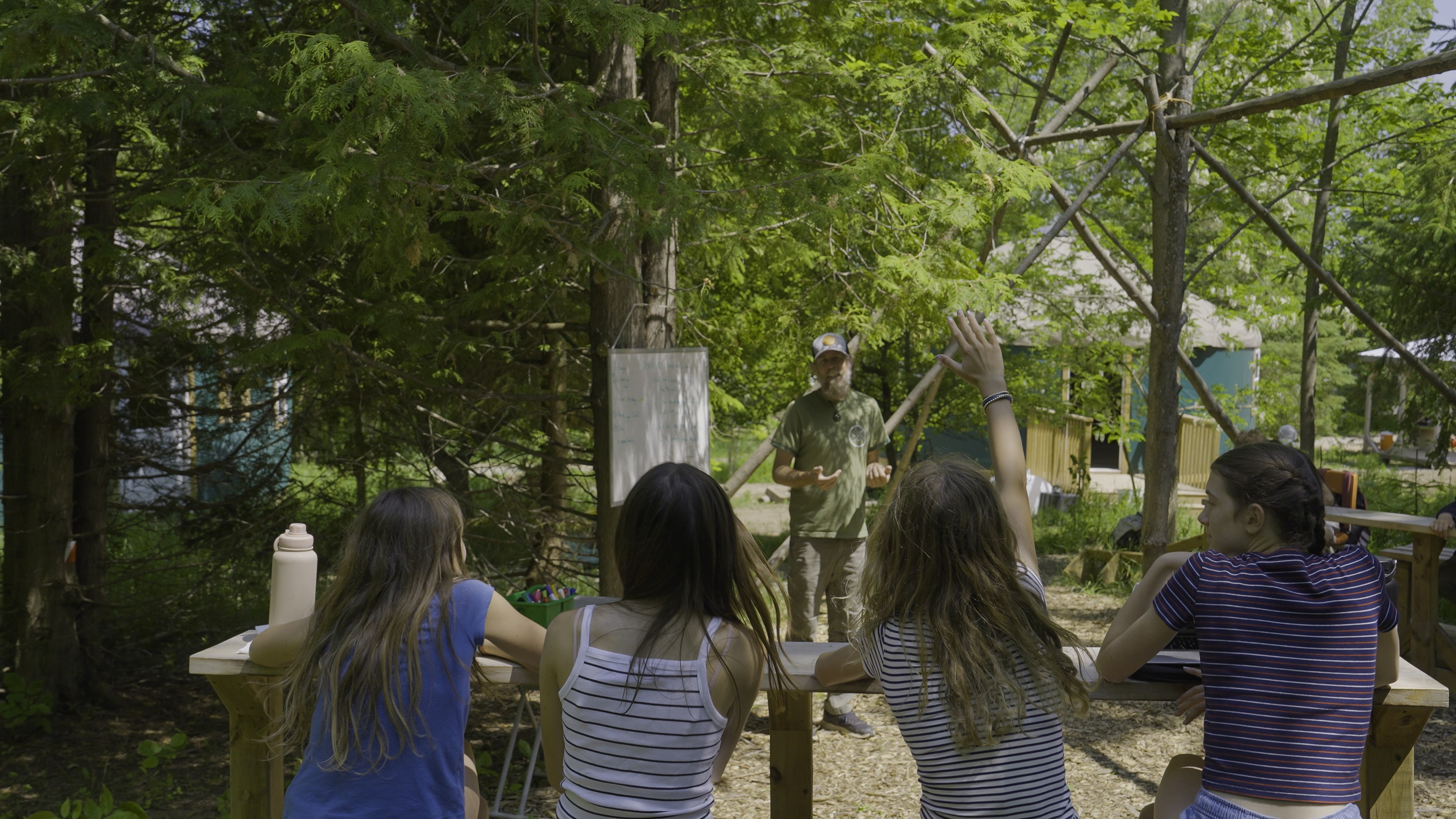
What has changed is everything around it. Kids used to spend a lot more of their time moving through the world, outside, often with other kids, often unsupervised, figuring things out as they went and paying attention because something in front of them actually required it. They were reading situations, negotiating, adjusting in real time. That kind of experience wasn’t efficient, and it wasn’t always comfortable, but it was grounded in something very real and relevant to their future.
There’s simply a lot less of that now.
Most learning today sits a layer removed from direct experience. There’s more time sitting, more abstraction, and more time on screens. Even when kids are together, the interaction often isn’t as rich as we assume. From an evolutionary standpoint, this is a significant shift, and it happened quickly. The brain hasn’t changed nearly as fast. It still expects movement, novelty, social interaction, and a certain amount of friction.
When those ingredients begin to disappear, the effects often show up in quieter ways. Attention gets thinner and frustration seems to arrive faster, while persistence increasingly becomes something that has to be taught deliberately instead of developing naturally over time.
Then something else enters the equation: AI.
Students don’t need to remember as much. They don’t need to start from a blank page. They don’t have to sit with something difficult for very long unless they choose to. There’s real upside to that. It would be strange to argue otherwise.
However, what can be easy to miss is this is where a lot of development actually happens. It often sits in that stretch where things aren’t working yet, where you're stuck, circling around a problem, getting something wrong and trying again. That process can feel slow when you're in it, but it’s doing important work underneath the surface. Remove too much of it and you can end up moving quickly without building much underneath.
Around here the conversation starts changing. If AI can generate information, structure ideas, and produce convincing output, then what exactly are we trying to develop in young people?
We keep coming back to judgment. The ability to step into something unclear and figure out what matters. To ask better questions. To stay with a problem a little longer than feels comfortable. To work through something with other people when there isn’t an obvious path forward. To create something from nothing.
Those skills have always mattered. They just stand out more now because they’re much harder to outsource.
We didn’t build WILDE in response to AI. Most of this thinking started earlier, from a simpler question: what actually helps a child develop well? Not just academically, but as a whole person.
Follow that question honestly and you don’t end up somewhere particularly futuristic. You end up somewhere more grounded. Outside more often. Moving. Working with other people. Taking on things that feel real rather than simulated.
You see the difference pretty quickly when you spend time in that kind of environment. A student who struggles to focus indoors can spend an entire morning locked into building something or solving a problem outside. Learning tends to stick when it’s tied to experience rather than abstraction. Kids also respond differently when challenges carry real weight. They usually stay with things longer and care more deeply about the outcome.
Emotional intelligence sits right in the middle of this, and it’s still widely underestimated. AI can process information and generate language, but trust, relationships, and leadership still live firmly in the human world. Navigating uncertainty with a group of people, reading a room, handling conflict, or knowing when to step forward and when to listen are learned capacities. They develop through experience, not instruction alone.
At WILDE, those experiences show up in small, everyday ways. Group decisions that don’t land cleanly. Conflict that has to be worked through. Moments where someone has to take responsibility. Over time, those experiences stop feeling like lessons and start becoming part of who students are.
Another thing worth paying attention to is what’s happening further up the system. Some high schools and universities are moving back toward in-person, time-bound, often handwritten work. Technology isn’t going anywhere. If anything, it’s becoming more powerful. The challenge is that it’s becoming harder to see what a student actually knows or how they think without it.
Similar questions are beginning to emerge at a broader level. Sweden, once considered one of the most digitally progressive education systems in the world, recently began pulling back on screen use for younger students and renewed its emphasis on books, handwriting, and more traditional learning approaches. Nobody was arguing that technology had failed. The larger question was whether, in the rush toward digital efficiency, something important had quietly slipped away.
Work like this asks for focus, clarity, and a certain mental stamina. If students haven’t developed those capacities, it tends to show fairly quickly.
More and more, it feels like we may be heading toward a strange inversion where the most advanced version of education isn’t necessarily the most digitized or optimized. It may end up being the one most aligned with how human beings are actually designed to learn. More time in real environments. More responsibility. More thinking that isn’t handed off too quickly. Technology still has a place, but it begins to occupy a different role.
WILDE sits somewhere in that conversation, grounded in a simpler idea: how human beings learn, how judgment develops, and how capability grows.
When those foundations are strong, students can use any tool well. Without them, it doesn’t take much for the tools to start doing the thinking.
If you’re trying to prepare a child for what’s coming, the instinct is often to add more technology, more exposure, and more acceleration. It’s worth pausing on that.
Some of what has been slipping over the past couple of decades, including attention, resilience, and the ability to stay with something difficult, are not small things. They’re foundational, and they don’t develop through speed. They develop through experience.
WILDE’s recent academic audit results give us another reason to take this seriously. They suggest that an education built around movement, nature, challenge, strong relationships, and real-world learning does not weaken academics. If anything, the pattern is encouraging. The longer students stay at WILDE, the stronger the academic picture becomes, with particularly strong results in reading, vocabulary, and mathematics.
For us, it reinforces something we’ve believed from the beginning: children should not have to choose between strong academics and a full, active, emotionally rich childhood.
If we’re preparing students for a future no one can predict, then the real work is helping students build the judgment, resilience, and foundation to stand in uncertainty and find their footing there.
Onwards!
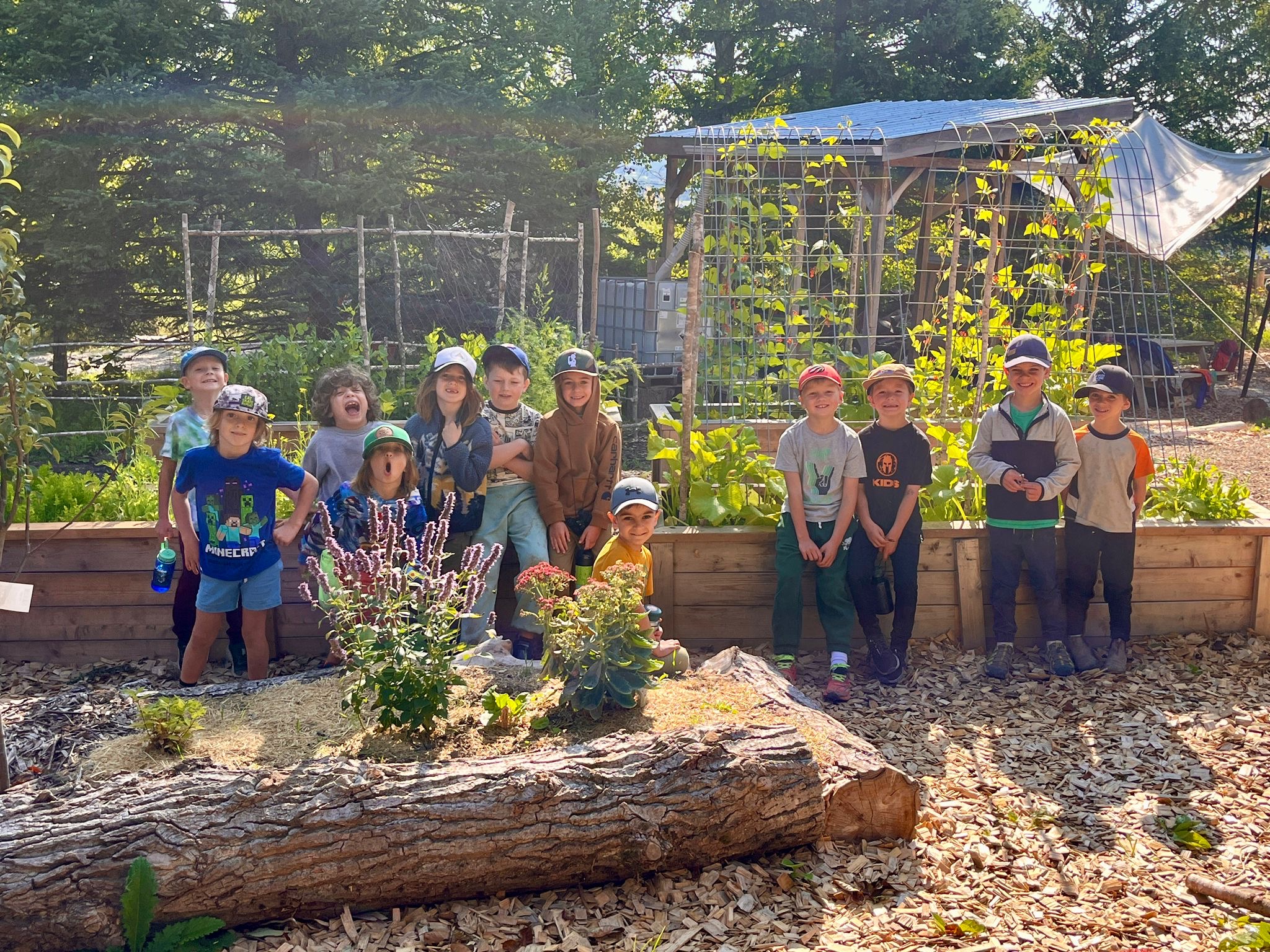
How WILDE School Blue Mountains is rewilding education through outdoor, nature-based learning — and the remarkable results it is producing.
Published:
October 14, 2026
Published:
October 14, 2026

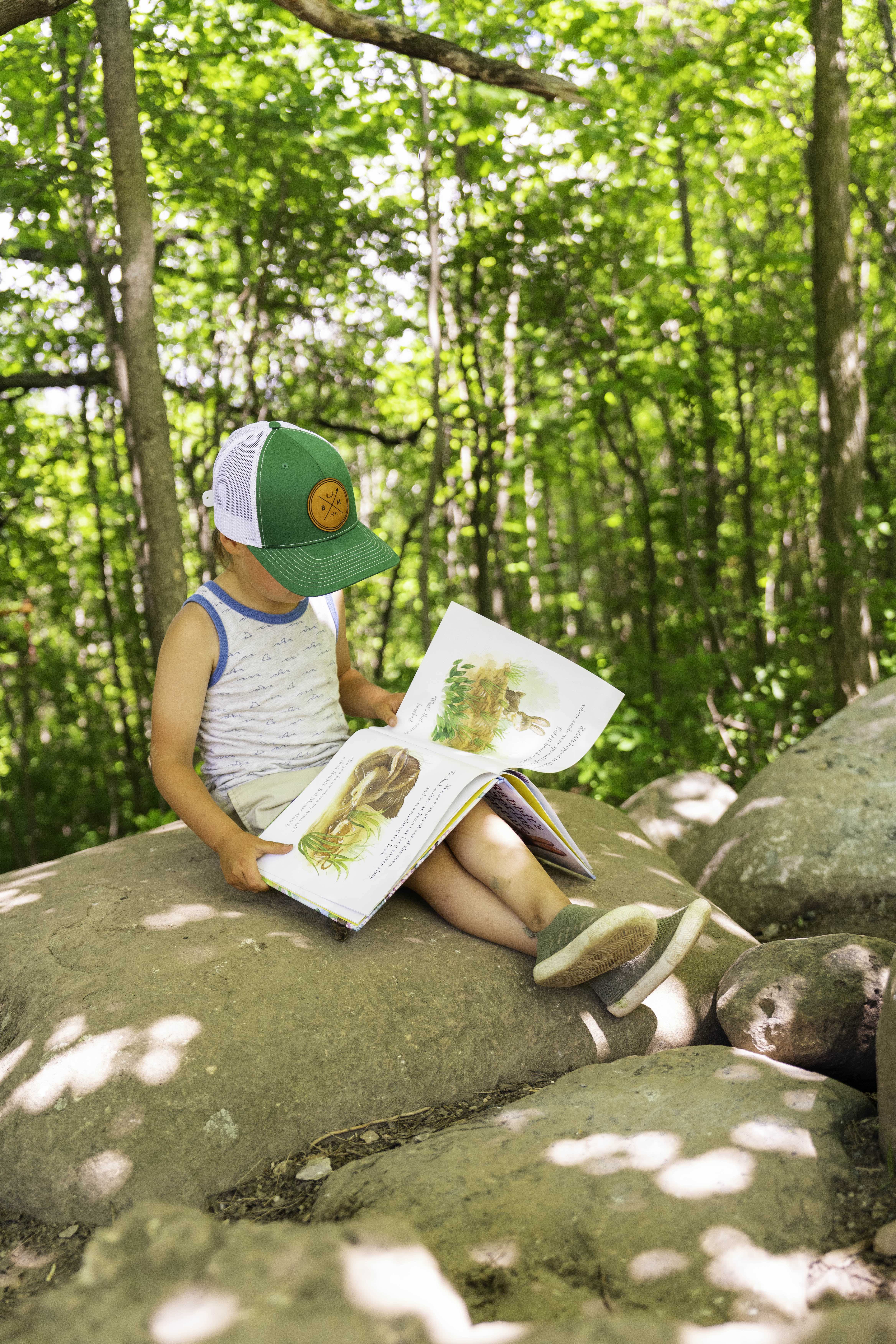
Why do so many young Canadians feel hopeless? Explore the purpose gap in education and how nature-based learning can rebuild direction and meaning.
Published:
October 14, 2026